When you purchase through connectedness on our site , we may pull in an affiliate commission . Here ’s how it mould .
archeologist in Greece have detect a 1,600 - year - oldironsword that was fold up in a ritual " violent death " before being interred in the grave of a soldier who served in the Roman Catholic regal army .
The discovery of the folded steel was " amazing , " because the soldier was forget in an early church , but folded steel was part of a known pagan rite , said project conscientious objector - researcher Errikos Maniotis , a doctorial prospect in the Department of Byzantine Archaeology at Aristotle University of Thessaloniki in Greece .

This iron sword was folded in a ritual “killing” before it was buried with a soldier about 1,600 years ago.
Although this soldier , who was potential a soldier of fortune , may have " comprehend the Roman way of living and the Christian religion , he had n’t abandoned his roots , " Maniotis told Live Science in an email .
touch : Photos : Decapitated Romans found in ancient cemetery
The soldier ’s burial is the in vogue determination at the site of a three - aisled paleochristian basilica date from the fifth hundred . The Roman basilica was discovered in 2010 , during excavation ahead of the grammatical construction of a subway track , which remind researchers to call the ancient construction the Sintrivani basilica , after the Sintrivani metro station . The station is in the northerly Grecian urban center of Thessaloniki , which was an important city during romish time .

The individual’s burial in the ancient basilica.
The Roman basilica was build over an even older place of adoration ; a fourth - century chapel service , which might be the oldest Christian church in Thessaloniki , Maniotis said .
In the seventh century , the church was damaged and only poorly renovated before it was finally empty in the eighth or ninth one C , Maniotis tell . During recent excavations , archaeologist found seven graves that had been seal inside . Some of the graves hold back two asleep individuals , but did n’t have any artifacts . However , an archway - shape grave contained the remains of an individual who had been buried with weapon system , including a crumpled spatha — a type of foresightful , straight brand from the late Roman period ( A.D. 250 - 450 ) .
" Usually , these types of swords were used by the supplementary horse force of the Roman army , " Maniotis say . " Thus , we may say that the deceased , taking also into consideration the importance of the interment location , was a high - ranking policeman of the Roman army . "

The individual was buried with the folded sword, a shield-boss and a spearhead.
The archaeologists still have to analyze the person . " We do n’t cognize anything about his profile : age of death , cause of expiry , possible lesion that he might have from the wars he fought , etc . , " Maniotis said . However , they were intrigued by his folded steel and other weapons , which included a shield - boss ( the circular inwardness of a shield ) and spearhead .
So far , the folded steel is the most revealing feature in the tomb . " Such findings are highly rarefied in an urban landscape , " Maniotis pronounce . " Folded swords are commonly excavated in sites in Northern Europe , " let in in places used by theCelts , he allege . This usage was also detect in ancient Greece and much later by theVikings , but " it seems that Romans did n’t use it , get alone when the novel religion , Christianity , dominated , due to the fact that this ritual [ was ] view to be pagan , " Maniotis tell .
The crumpled sword is a cue that the soldier was a " RomanizedGothor from any other Germanic folk who swear out as a mercenary ( foederatus ) in the imperial Roman forces , " Maniotis wrote in the email . The Romance word " foederatus " come from " foedus , " a full term describing a " treaty of reciprocal assistance between Rome and another nation , " Maniotis noted . " This treaty permit the Germanic tribes to serve in the Roman Army as mercenaries , providing them with money , land and title . [ But ] sometimes these foederati turned against the Romans . "

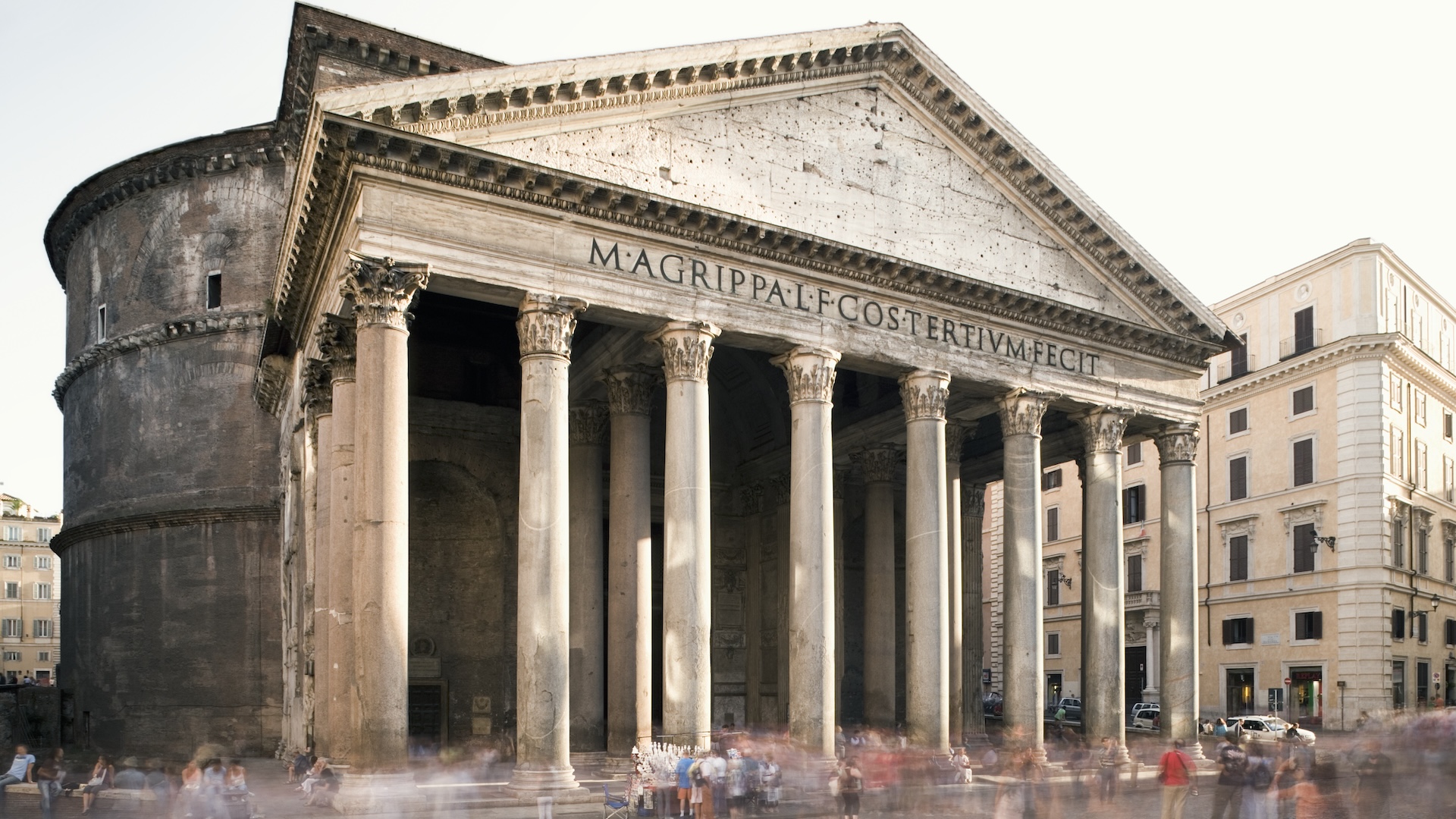
The famous fountain in Thessaloniki, Greece.(Image credit: Errikos Maniotis)
Related : In photos : A journey through early Christian Rome
The archaeological squad of late bump ancient coins at the site , so they plan to apply these , as well as the style of the blade ’s knob , or the knob on the grip , to figure out when this soldier lived , Maniotis note .
— In photos : A gladiator burial pit
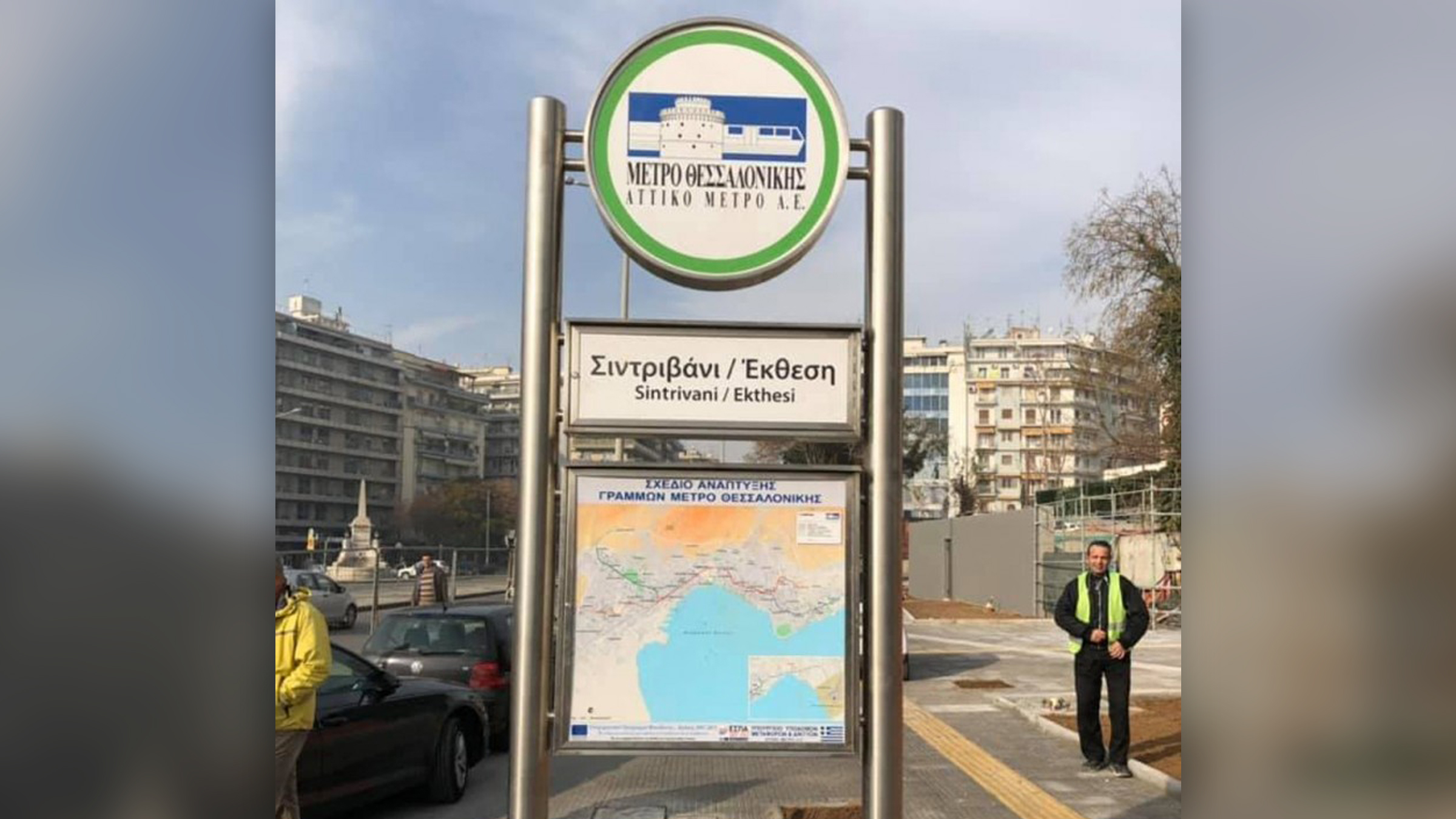
Archaeologists found the ancient basilica ahead of construction at a metro station in Thessaloniki, Greece.(Image credit: Errikos Maniotis)
— Photos : Paintings of Christ and a ' baker ' revealed in Roman Catholic interment bedchamber
— Image gallery : Ancient bury hoarded wealth fudge Romans
" The soldier ’s armament [ weapons ] will shed light to the impact that the comportment of the community of strange mercenaries had in the urban center of Thessaloniki , the 2d great city , since thefall of Romeand after Constantinople , in theEastern Roman Empire . "

A collage of photos showing the new Sintrivani metro station, where archaeologists found the basilica and the soldier’s grave.(Image credit: Errikos Maniotis)
Mosaic and cemetery
The discovery of the ancient basilica has revealed other ancient artifacts . archeologist lead by Melina Paisidou , an associate prof of archaeology at the Aristotle University of Thessaloniki , have also excavated the building ’s beautiful mosaic base , Maniotis say . The mosaic shows a vine with chick on its stalks , including the fabulous genus Phoenix with a halo that has 13 rays at its center . Only seven other depicted fowl have go , but the archaeological team posit that there were earlier 12 birds , and that the mosaic is likely an allegoric representation of Christ and the 12 Apostle , Maniotis said .
In addition , a discovery at the site in 2010 disclose about 3,000 ancient burials in Thessaloniki eastern cemetery , a burying ground that was used from the Hellenic period ( about 300 - 30 B.C. ) until just before late ancientness ( A.D. 600 - 700),according to Ancient Origins .
Originally published on Live Science .
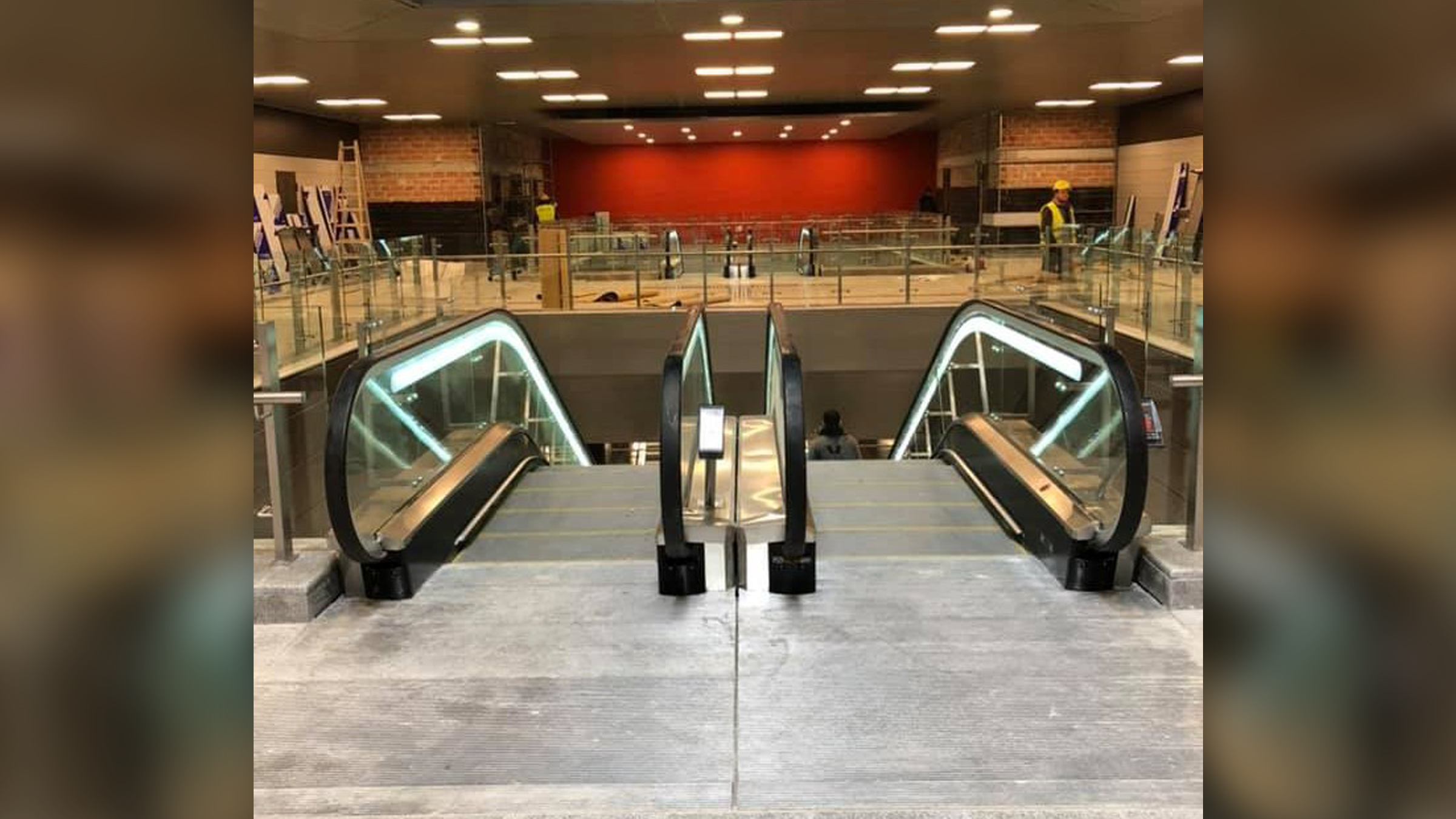
A peek inside the Sintrivani metro station in Thessaloniki.(Image credit: Errikos Maniotis)